
Pillar, Before leaving
Reading mountain weather
Meteoblue, residual snow, thunderstorms, fog: the signals that matter before heading up at altitude, explained by Le Belge Alpin.
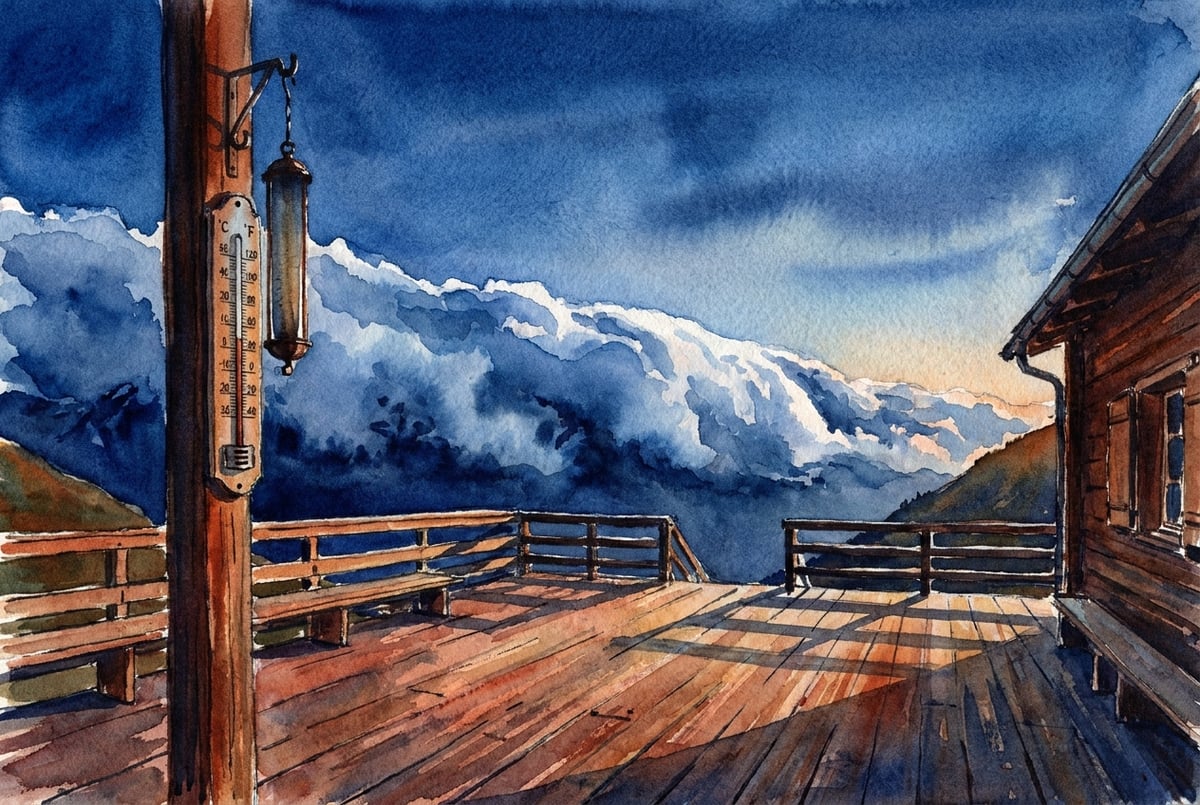
Before planning a mountain outing, it’s critical to check the weather and stay informed about current ground conditions. A few pointers to keep you safe and get the most out of your day in the hills:
1. Check the forecast
- Why weather matters: mountain weather changes fast. A thunderstorm can be extremely dangerous, fog can disorient you completely, and rain turns trails into slippery traps. Check the forecast before leaving and stay alert to alerts en route.
- Use forecasting tools: on every article you’ll find a Meteoblue widget with precise local forecasts. You can also install the Meteoblue app on your smartphone for real-time updates.
2. Check snow conditions
- Snow impact: early in the season snow can linger on the trails. A small snowfield is fun to cross, but heavy snow, especially on steep ground, can make conditions dangerous.
- Required gear: depending on snow conditions, you may need specific equipment. Snowshoes: for soft snow, to avoid sinking in. Crampons and ice axe: essential on hard or icy snow and for steep passages. Rope: may be needed on very technical or exposed ground.
- Safety tips: if snow cover is heavy and you don’t have the experience, it’s better not to commit to difficult routes. Walking on snow or alpinism requires specific skills.
3. Get current condition reports
- Call tourist offices: for accurate information on current conditions, don’t hesitate to phone the tourist office of the area you plan to visit. They can give you details on snow, trails, and general conditions.
- Talk to local guides: for very committing or unfamiliar routes, it’s wise to contact a guides’ office or a mountain professional for specific advice and current condition reports.
Summing up
By folding these precautions into your planning you’ll significantly increase your safety and enjoyment on mountain hikes. Prepare accordingly to face whatever weather and snow conditions may bring.
Going further: the weather directly drives your gear choice. See also how a hike's rating gets tougher with residual snow. Back to the full preparation guide.